
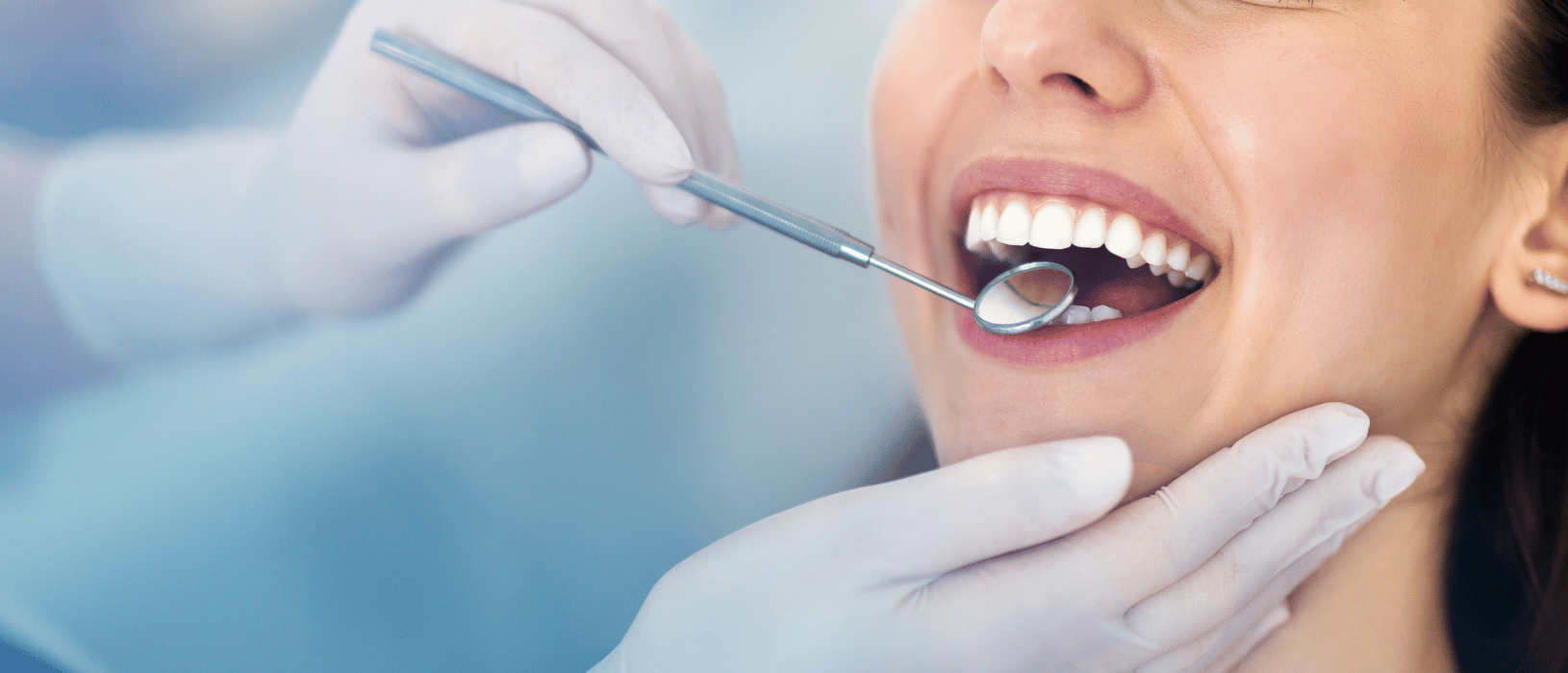
Prevent cavities before they start. Cavities remain one of the most common dental problems affecting both children and adults. The encouraging reality is that most cavities are preventable with consistent habits, proper oral hygiene, and routine dental care. Whether you are focused on protecting your child’s teeth or maintaining your own dental health, understanding how cavities form and how to stop them early makes a measurable difference.
Dental decay often develops without pain or visible warning signs. By the time discomfort appears, damage may already be significant. Preventive care focuses on stopping decay before it reaches that stage.
What Causes Cavities
Cavities form when bacteria naturally present in the mouth feed on sugars and carbohydrates left behind from food and drinks. As these bacteria break down sugars, they produce acids that gradually weaken tooth enamel. Over time, repeated acid exposure creates small openings in the enamel that grow larger if untreated.
Saliva helps neutralize acids and wash away food particles, which is why dry mouth, frequent snacking, and sugary beverages increase cavity risk. Consistent home care paired with regular dental visits helps interrupt this process early.
Brush Twice Daily With the Right Technique

Brushing twice a day plays a critical role in cavity prevention, but technique matters as much as frequency. Brushing for a full two minutes using gentle pressure removes plaque before it hardens into tartar.
Aggressive brushing can actually damage enamel and irritate gums, increasing sensitivity and risk of recession.
Best practices include
-
Using fluoride toothpaste to strengthen enamel
-
Choosing a soft bristled toothbrush
-
Angling the brush slightly toward the gumline
-
Replacing toothbrushes every three months or sooner if bristles fray
Electric toothbrushes may also help patients maintain consistent technique.
Floss Every Day Because It Reaches What Brushing Misses
Flossing removes plaque and food particles from between teeth where toothbrush bristles cannot reach. These tight spaces are among the most common areas for cavities and gum inflammation to develop.
Skipping flossing allows bacteria to remain undisturbed, increasing the risk of decay and periodontal issues even in patients who brush well.
Limit Frequent Snacking and Sugary Drinks

Cavity risk is influenced not only by what you eat, but how often you eat. Frequent snacking keeps acids active in the mouth for longer periods, increasing enamel breakdown.
Sugary snacks, sticky foods, sports drinks, energy drinks, and soda are particularly harmful because sugars linger on tooth surfaces. Rinsing with water after consuming these items can help reduce acid exposure when brushing is not possible.
Drink Plenty of Water Throughout the Day
Water supports oral health by rinsing away food particles and helping maintain a healthier mouth environment. Drinking water also supports saliva flow, which plays a key role in neutralizing acids.
Oceanside residents who rely primarily on bottled water should check whether it contains fluoride. Not all bottled waters provide fluoride, which is important for strengthening enamel and preventing early decay.
Use Fluoride to Strengthen and Protect Enamel
Fluoride helps remineralize enamel and can slow or even reverse early stages of tooth decay. Many patients benefit from a combination of at home and professional fluoride applications.
Common fluoride options include
-
Fluoride toothpaste
-
Prescription strength fluoride gels or rinses
-
Topical fluoride treatments applied during dental visits
Fluoride remains one of the most effective tools for cavity prevention across all age groups.
Consider Dental Sealants for Added Protection
Dental sealants are thin protective coatings applied to the chewing surfaces of molars. These surfaces contain deep grooves where bacteria easily collect and brushing may not fully reach.
Sealants are commonly recommended for children but are also beneficial for adults who are prone to cavities. They provide long lasting protection and significantly reduce decay risk on vulnerable surfaces.
Keep Up With Regular Dental Visits
Routine dental visits allow problems to be detected early, often before symptoms appear. Professional cleanings remove hardened plaque that brushing and flossing cannot eliminate.
Exams and digital X rays help identify cavities between teeth, beneath restorations, and below the gumline. Early detection typically means simpler treatment and better preservation of natural tooth structure.
For patients who feel anxious or avoid care due to fear, options such as sedation dentistry can make dental visits more comfortable and approachable. Reducing anxiety helps patients stay consistent with preventive care.
Protect Your Teeth From Grinding and Jaw Stress
Clenching or grinding the teeth, often associated with stress or TMJ disorders, can wear down enamel and make teeth more vulnerable to decay. Flattened or cracked enamel allows bacteria to penetrate more easily.
Custom night guards and TMJ treatments help protect teeth from excessive forces during sleep and daily activities, reducing long term damage and discomfort.
Take Charge of Your Cavity Prevention Plan
Daily habits combined with consistent dental care form the foundation of long term cavity prevention. Patients with a history of decay, enamel sensitivity, or dry mouth may benefit from a personalized prevention plan tailored to their needs.
Care at Streelman DDS focuses on conservative treatment, prevention, and patient education. From routine exams to fluoride treatments, dental sealants, TMJ care, sedation dentistry, and cosmetic options like teeth whitening, preventive strategies help protect your smile over time.
Patients ready to strengthen their cavity prevention plan can call the Oceanside office at (760) 439 0600 or request an appointment online.