
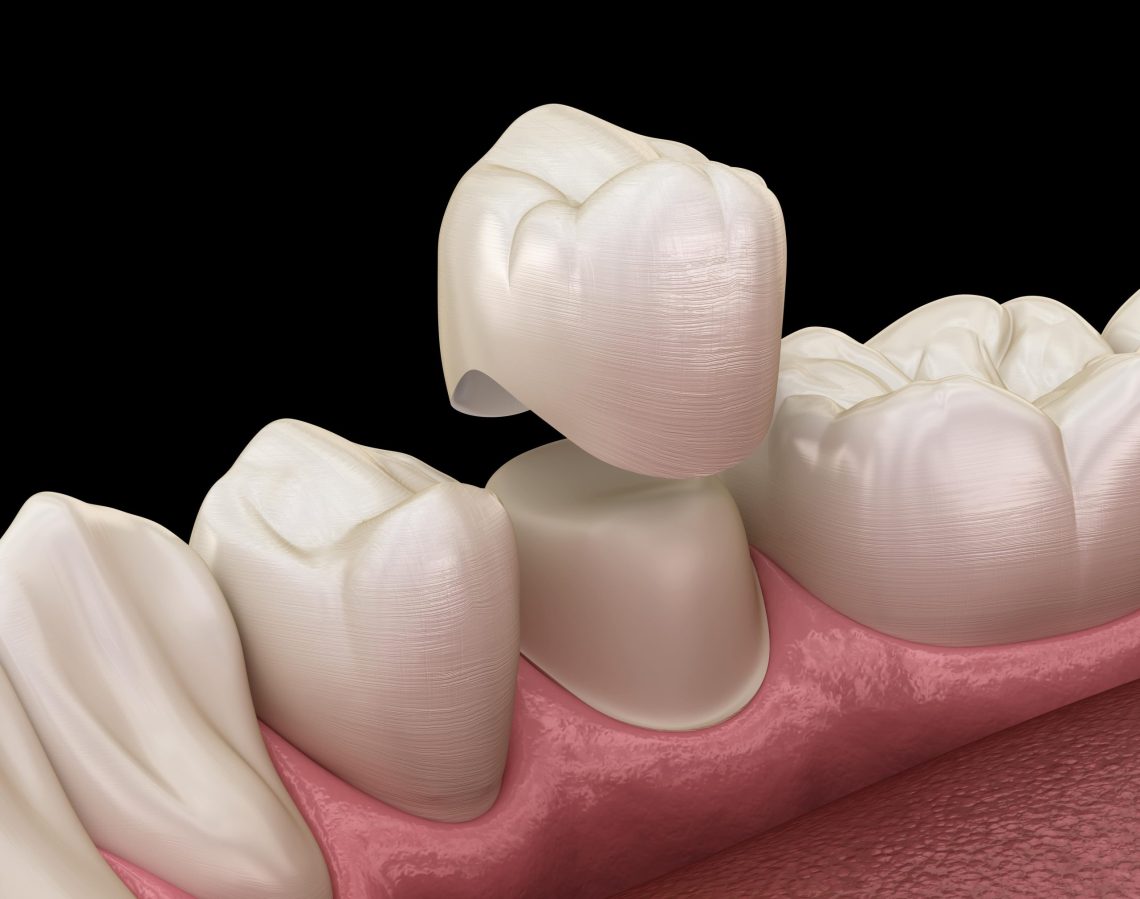
Tooth damage can affect more than your smile. Cracked teeth, significant decay, or a weakened tooth can reduce chewing efficiency, compromise bite alignment, and impact overall dental health. Modern dentistry offers solutions that combine function, aesthetics, and protection. Dental crowns restore strength and confidence, providing a long-lasting solution for damaged or weakened teeth while preserving natural tooth structure.
For comprehensive options, patients can explore Dental Crown Services to determine the best solution for their specific dental needs.
What Are Dental Crowns and How They Work
A dental crown is a custom crown designed to cover the entire visible portion of a damaged tooth. Unlike fillings, which repair a portion of the tooth, crowns act as a protective barrier, strengthening the entire tooth and restoring its function. Crowns are typically recommended for teeth that have undergone root canal treatment, sustained a cracked tooth, or experienced extensive decay.
Types of Modern Crowns
Dental crowns can be made from various materials, each offering specific benefits:
- Porcelain crowns provide a natural appearance, ideal for front teeth restoration and visible areas
- All ceramic crowns offer both durability and aesthetic appeal without metal components
- Metal crowns are highly durable and suitable for molars and teeth that endure heavy chewing forces
- Porcelain-fused-to-metal crowns combine strength and natural appearance
- Resin crowns are less expensive and can serve as temporary solutions while a permanent crown is being fabricated
Choosing the right crown depends on the tooth’s location, aesthetic preferences, and functional requirements
How Dental Crowns Restore Strength and Protect Teeth
Damaged or weakened teeth are prone to further damage and decay. Crowns restore strength by encasing the tooth and evenly distributing chewing forces. This protective shield maintains the integrity of the natural tooth structure and prevents further decay in surrounding teeth.
Dental crowns restore strength in several ways:
- Support Weakened Teeth: A crown stabilizes teeth with significant decay or after root canal therapy
- Restore Function: Patients can chew and speak normally after treatment
- Protect Adjacent Teeth: Crowns prevent neighboring teeth from shifting due to compromised bite alignment
- Preserve Natural Teeth: Crowns maintain optimal oral health by saving teeth that might otherwise require extraction
Modern crowns made with high-quality materials are long-lasting and contribute to long-term oral health when combined with good oral hygiene practices
The Dental Crown Procedure
The dental crown process is straightforward but involves several precise steps:
- Evaluation and Tooth Preparation: The dentist examines the tooth, sometimes with X-rays, to determine the extent of damage. The prepared tooth is shaped to allow proper seating of the crown
- Impression or Digital Scan: Captures the tooth’s dimensions for a custom crown that fits perfectly
- Temporary Crown Placement: A temporary crown protects the tooth while the permanent crown is fabricated
- Permanent Crown Placement: The permanent crown is permanently cemented to restore function, protect the tooth, and enhance aesthetics
A dental crown typically involves two visits, though some practices offer same-day crowns using advanced technology
Benefits Beyond Tooth Strength
Dental crowns provide both functional and cosmetic benefits, enhancing overall well-being. They restore aesthetic appeal, contributing to a beautiful smile, enhanced confidence, and improved self-esteem. Crowns can correct discoloration, misshapen teeth, or gaps, resulting in a natural appearance that complements surrounding teeth
- Protective Barrier: Crowns prevent further damage and decay
- Restore Function: Patients regain normal chewing forces and bite alignment
- Aesthetically Pleasing: Crowns improve the front teeth’s appearance while maintaining a natural look
- Long-lasting Solution: Crowns can last many years with proper care
For patients seeking additional cosmetic comfort, Smile Makeover Solutions at Streelman DDS provides options that combine aesthetics and minimal discomfort.
Crowns provide a vital role in modern dentistry, offering a balance between teeth restoration and cosmetic improvement
Caring for Your Dental Crown
Maintaining crowns ensures durability and reduces future complications. Proper care includes:
- Good oral hygiene practices, including brushing twice daily and flossing around the crown
- Using antibacterial mouthwash to maintain dental health
- Avoiding excessive force on crowns through hard foods or grinding
- Routine dental visits for maintaining optimal oral health
With these habits, modern crowns and all-ceramic crowns can last 10 to 15 years or longer
Signs You May Need a Crown
Dental crowns are typically recommended when teeth show signs of severe damage. Patients should consult a dentist if they notice:
- Persistent tooth pain or sensitivity
- Cracked tooth or visible damage
- Large or failing fillings
- Teeth that have undergone root canal treatment
- Concerns about aesthetic preferences or a radiant smile
Early intervention ensures a long-lasting solution and protects surrounding teeth
Additional Restorative Options
Crowns are often used in combination with other dental procedures for optimal oral health. Options include:
- Dental bridges to replace missing teeth
- Dental implants to support long-term function and aesthetics
- Integration with modern crowns for front teeth restoration or teeth restoration after root canals
These solutions work together to maintain long-term oral health and enhance overall well-being
Related Reading
To learn more about painless, cosmetic dental options, see our blog Improving Your Smile Comfortably: Pain-Free Cosmetic Options in Oceanside
Conclusion
Dental crowns restore strength, function, and confidence after tooth damage. By protecting damaged teeth, maintaining natural tooth structure, and enhancing aesthetic appeal, crowns provide a long-lasting solution for individuals seeking restorative dentistry. With proper care and good oral hygiene practices, crowns support optimal oral health, prevent future complications, and help patients maintain a beautiful smile for years to come.
Consult your dentist to discuss the best crown options for your needs and schedule a personalized treatment plan
Make an Appointment to restore your teeth and regain confidence in your smile today.