

Preventive dentistry exists to stop problems before pain, cost, or complex procedures enter the picture. Proactive dental care focuses on routine check-ups, professional cleanings, and patient education to lower the risk of cavities, gum disease, and other dental problems. Many oral health issues develop quietly. Tooth decay, gum disease, enamel wear, and plaque buildup often progress without early symptoms.
Most people feel fine until damage is already present. Early focused dental care aims to identify concerns before discomfort appears, which often leads to simpler treatment, lower cost,s and better long-term outcomes. Education paired with regular dental visits helps protect a healthy smile over time. Strong oral health is also closely connected to overall health, with links to heart disease, diabetes, and other health issues.
People researching dental prevention want answers, clarity, and reassurance. The information below explains how ongoing dental care supports oral health care at every stage of life.
Understanding Oral Health and Overall Health
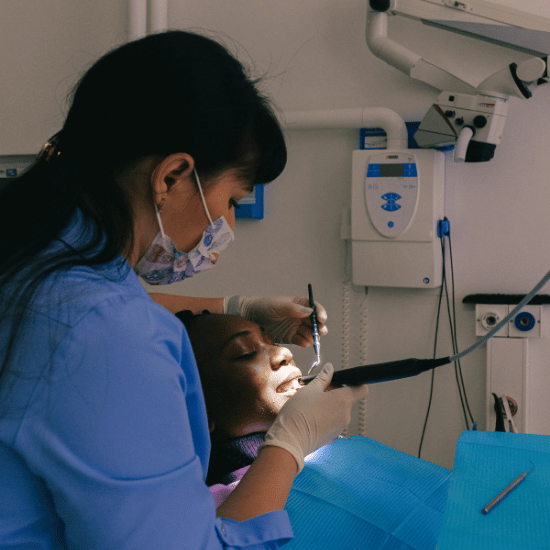
Oral health affects the entire body. Poor oral health has been associated with heart disease, inflammation, diabetes complications, and other health concerns. Bacteria linked to periodontal disease can enter the bloodstream and contribute to systemic stress.
Teeth and gums play a vital role in digestion, speech, and confidence. Protecting tooth enamel and keeping gums healthy supports dental health and overall oral health across a lifetime. Consistent care helps maintain balance before oral health issues progress into more serious dental problems.
What Preventive Dentistry Means
Preventive dentistry centers on maintaining dental health through education, monitoring, and early intervention. Preventive dental services aim to reduce oral diseases and minimize the need for advanced treatment such as root canals or extractions.
These services typically include oral exams, professional cleanings, fluoride treatment, and guidance on good oral hygiene habits. Guidelines from the American Dental Association emphasize the importance of routine oral exams, professional cleanings, and daily oral hygiene at home. Long-term oral health outcomes improve when patients and the dental team share responsibility.
Prevention Focused Care Versus Reactive Treatment
Prevention-focused care monitors early changes and helps stop decay or gum problems before symptoms appear. Reactive treatment often begins only after pain, swelling, or infection develops. Addressing concerns early usually results in shorter appointments, lower costs, and better preservation of natural teeth.
Oral Exams and Regular Checkups
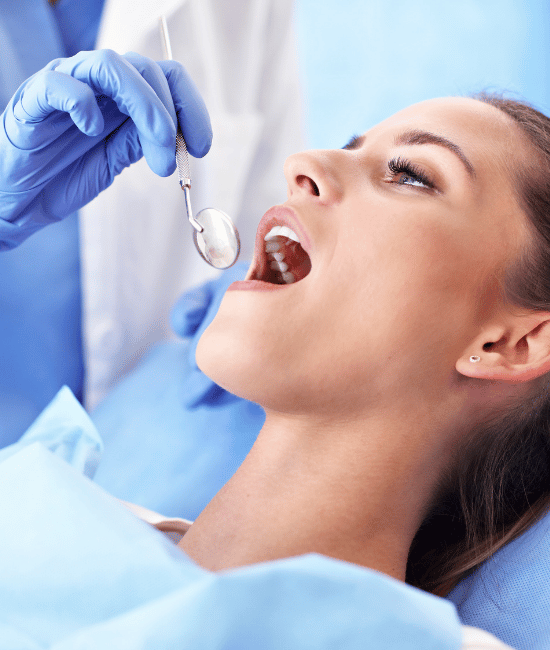
Oral exams allow dentists to evaluate teeth, gums, jaw joints, and oral tissues. Regular oral exams help identify tooth decay, gum disease, oral cancer, and other oral health concerns in early stages.
Regular check-ups establish a baseline that allows dentists to track changes over time. Patients considered high risk benefit from closer monitorin,g which helps manage dental issues more effectively. Dental visits centered on prevention are typically less invasive and more predictable than emergency care.
Professional Cleanings and Teeth Cleanings
Professional cleanings remove plaque buildup and food particles that daily brushing cannot reach. Teeth cleanings help reduce gum disease, bad breath, and enamel wear.
Regular cleanings support healthy gums and teeth while lowering the likelihood of future dental problems. Some patients require more frequent preventive services based on individual risk factors such as periodontal disease or medical history.
Diagnostic Imaging and Early Detection
Modern diagnostic imaging plays an important role in maintaining oral health. Imaging helps identify hidden tooth decay, bone loss, and other dental problems beneath the surface.
Early detection protects tooth enamel, preserves natural teeth, and reduces the need for complex dental care later.
Gum Disease and Periodontal Disease Prevention

Gum disease often begins with mild inflammation and can progress into periodontal disease without noticeable discomfort. Bleeding gums, persistent bad breath, and gum problems are common early warning signs.
Ongoing dental care combined with good daily oral hygiene habits helps reduce the risk of gum disease, periodontal disease, and related dental problems.
Recognizing Gum Disease
Symptoms may include redness, swelling, tenderness, and plaque buildup along the gumline. Untreated gum disease can lead to bone loss, tooth mobility, and tooth loss, potentially requiring root canals or dental bonding, for example.
Periodontal Maintenance and Monitoring
Dental care plans often include professional cleanings, education, and ongoing monitoring to help reduce oral health issues associated with gum disease. Periodontal maintenance helps control bacteria and supports long-term dental health.
Preventing Common Dental Problems
Proactive oral care focuses on identifying and managing dental issues early, before they progress into pain, infection, or complex treatment. Many common dental problems develop gradually and may not cause noticeable symptoms until significant damage has occurred. Routine monitoring and early intervention help preserve natural teeth and reduce the need for advanced procedures.
Tooth Decay and Enamel Wear
Tooth decay develops when bacteria in the mouth feed on sugars and carbohydrates left behind from food particles. These bacteria produce acids that gradually weaken tooth enamel, creating cavities over time. Enamel wear can also occur due to teeth grinding, aggressive brushing, frequent exposure to acidic foods, or untreated bite issues such as TMJ disorders.
Fluoride toothpaste, professional fluoride treatments, and topical fluoride applications help strengthen enamel and slow the progression of early decay. Dental sealants provide an added layer of protection on chewing surfaces where cavities commonly form, particularly in children and patients with deeper grooves in their teeth.
Patients who experience enamel wear from grinding or jaw tension may also benefit from TMJ treatments designed to reduce stress on the teeth and jaw joints. Addressing these underlying factors helps prevent further damage and supports long-term dental health.
Oral Health Issues Linked to Diet
Diet plays a significant role in oral health. Sugary foods, sugary snacks, and acidic foods increase the risk of tooth decay by fueling acid-producing bacteria and weakening enamel. Frequent snacking throughout the day can also prolong acid exposure, increasing cavity risk. Although professional teeth whitening services can help reduce the appearance of stains, it is important to address the root cause and prevent it from recurring.
Eating a balanced diet supports saliva production, which helps neutralize acids and wash away food particles. Drinking plenty of water further reduces plaque buildup and supports overall oral health care. Access to fresh fruits and vegetables throughout the San Diego and Oceanside area makes it easier to maintain a healthy diet that benefits both oral health and overall wellness.
For patients who feel anxious about dental visits, options such as sedation dentistry can make preventive care more comfortable and accessible. Regular care remains the most effective way to reduce the need for restorative treatments like fillings, crowns, or teeth whitening due to enamel damage or decay.
Preventive Dentistry for Children and Families
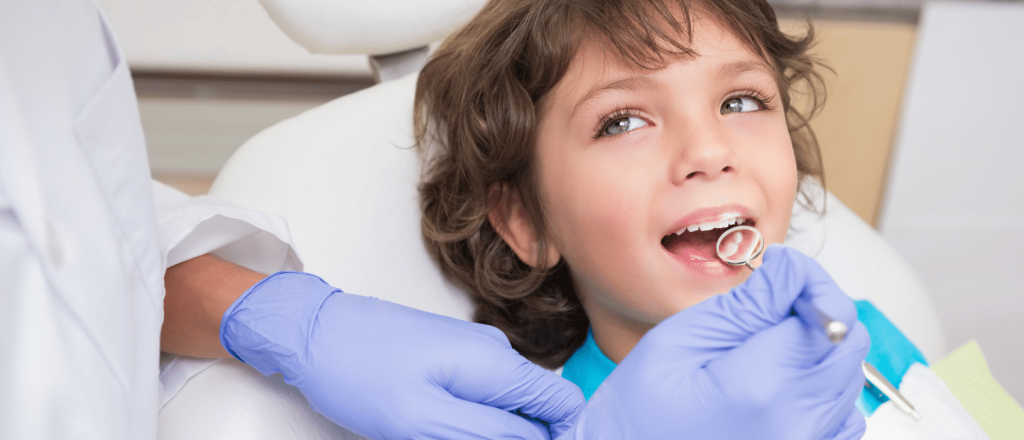
Early dental care plays an important role in pediatric dentistry and the development of lifelong oral hygiene habits. Children’s teeth benefit from early attention that supports proper development and reduces future dental issues.
Early Age Dental Care
Dental visits at an early age allow dentists to monitor children’s tooth development and identify oral health concerns early. Education helps parents support good oral hygiene habits at home.
Sealants and Fluoride for Children
Dental sealants protect the chewing surfaces of children’s teeth where decay commonly begins. Fluoride treatments strengthen enamel during cavity-prone years.
Early care supports healthy teeth into adulthood.
Daily Oral Hygiene and At-Home Care
Strong oral health relies on consistent daily routines.
Brushing and Flossing Daily
Daily brushing with a soft-bristle brush removes plaque from tooth surfaces. Flossing daily removes food particles between teeth where brushing cannot reach.
Brush your teeth twice each day, and flossing helps lower the risk of gum disease and bad breath.
Building a Sustainable Routine
A daily routine that includes proper dental care, balanced meals, and regular visits supports long-term dental health. At-home care complements professional services provided in the office.
Why Early Dental Care Saves Time and Money

Consistent dental care reduces the likelihood of emergency visits and advanced dental treatment. Patients who see a dentist regularly often avoid root canals, crowns, and extensive dental care.
Preventive services support stable dental plans, predictable costs, and better protection of overall health.
Preventive Dentistry in Oceanside, California
Despite strong evidence that regular professional care reduces the risk of dental problems, only about 45 % of Americans visited a dentist in the past year according to the American Dental Association Health Policy Institute.
Dental care should reflect local lifestyles and risk factors. Coastal living, active outdoor routines, and dietary patterns influence oral health concerns. Sun exposure also makes oral cancer screenings an important part of routine oral exams for many patients.
Care at Streelman DDS emphasizes conservative care, education, and consistent monitoring. Our Oceanside dentist focuses on early detection and long-term oral health care for Oceanside patients and families.
Frequently Asked Questions About Preventive Dentistry
What is preventive dentistry
Preventive dentistry refers to local dental care focused on preventing dental problems through routine visits, professional cleanings, education, and daily oral hygiene.
How often should I schedule dental visits
Most patients benefit from dental visits every six months. High-risk individuals may require more frequent visits based on oral health needs.
Does preventive care prevent cavities
Ongoing dental care helps prevent cavities by removing plaque buildup, strengthening enamel, and identifying tooth decay early.
Is preventive dentistry important for overall health
Maintaining oral health supports overall health by reducing oral diseases inflammation and health risks associated with poor oral health.
What happens during a preventive dental visit
A visit typically includes oral exams professional cleanings evaluation of teeth and gums diagnostic screening and personalized recommendations.
Scheduling Preventive Dental Care
Dental care works best when started early and maintained consistently. Regular visits education and daily habits protect teeth and gums over time.
Patients interested in proactive dental care can contact the office to schedule a visit and create a dental plan focused on long-term oral health.