
191 Google Reviews 4.9 stars
Gentle, Effective Relief for Jaw Pain and Tension
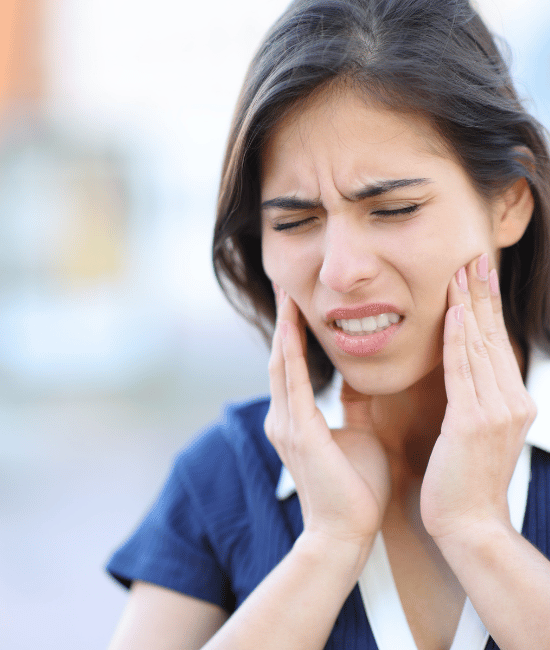
TMJ disorders (temporomandibular disorders (TMDs)) can cause daily discomfort that affects how you speak, eat, sleep, and feel. At Steelman DDS, we provide gentle, patient-focused care to help you understand your symptoms and find relief. If you’re experiencing jaw pain, stiffness, clicking, headaches, tension in your face and neck, facial pain and neck aches, you’re in the right place. TMJ disorders can also lead to trouble chewing.
What Is a TMJ Disorder?
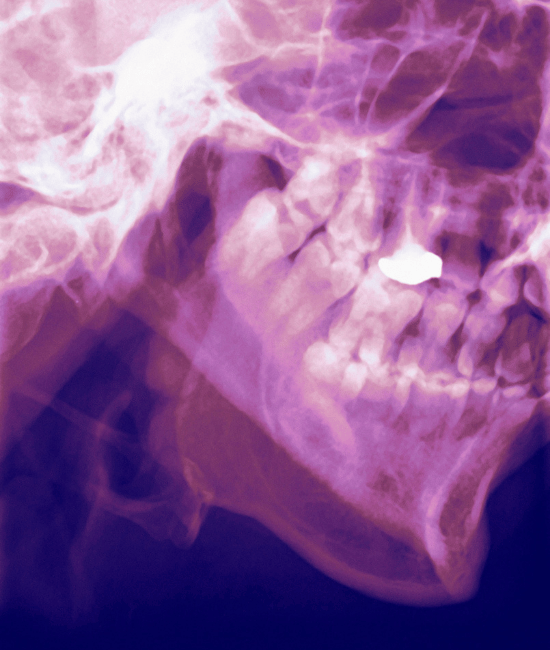
Your temporomandibular joint (TMJ) connects your lower jaw (mandible) to the temporal bone of the skull and allows you to chew, yawn, and speak. The TMJ structure is essential for proper function, and the joint works in coordination with the muscles that control jaw movement, including the chewing muscles. There are two temporomandibular joints, one on each side of your head.
When this joint or the surrounding muscles become irritated, it can lead to temporomandibular disorder (TMD), which encompasses a range of temporomandibular joint disorders.
TMD affects millions of people and can range from mild discomfort to chronic pain. Many patients don’t realize their symptoms are jaw-related until they see a dentist familiar with TMJ conditions.
INTRODUCING EMFACE FOR TMJ
Common Symptoms of TMJ Problems
What Causes TMJ Disorders?
Many TMJ issues develop gradually and may not have a single cause. Common contributors include:
- Teeth grinding or clenching (bruxism)
- Misaligned bite or missing teeth
- Jaw injury or trauma
- Arthritis in the jaw joint
- Stress-related muscle tension
- Poor posture, especially when working at a computer
- Sleep position or airway issues
Understanding the root cause helps guide the right treatment plan.
How TMJ Disorders Are Diagnosed
During your exam, Dr. Streelman will:
- Evaluate your jaw movement
- Check for clicking, popping, or muscle tenderness
- Review bite alignment and tooth wear
- Take X-rays or other imaging if needed
The goal is to determine what is contributing to your pain and map out a clear path to relief.
Non-Surgical TMJ Treatment Options
Most patients find noticeable relief through simple, non-invasive care. Your treatment plan may include:
Custom Night Guards
A custom-made night guard reduces stress on the jaw by preventing grinding and clenching. This is one of the most effective long-term solutions for TMJ pain.
Muscle Relaxation and Home Care
Guided stretching, warm compresses, posture improvements, and stress reduction all help calm the overworked jaw muscles.
Lifestyle Adjustments
Soft foods, avoiding gum, improving workspace posture, and adjusting sleep habits can significantly improve daily comfort.
Medication Support
NSAIDs or muscle relaxants may be recommended short-term to ease inflammation and tightness.
Bite Balancing / Restorative Care
If worn or missing teeth are contributing to TMJ strain, restoring proper bite alignment through fillings, crowns, or orthodontics may help.
Advanced TMJ Treatments
Some conditions require a more specialized approach. When necessary, we coordinate with trusted specialists for:
- Physical therapy to restore jaw mobility
- Trigger point therapy
- Occlusal adjustments
- Botox for muscle-based TMJ symptoms
- Surgical evaluation for severe joint damage (rare)
Most patients improve without surgery.
Why Patients Choose Dr. Streelman for TMJ Care
- Clear, patient-friendly explanations
- Conservative, non-invasive approach
- Customized treatment plans
- A focus on comfort and long-term results
- Experience in bite alignment and restorative care
Our goal is simple: help you feel better, move better, and protect your long-term oral health.

TMJ Treatment FAQ
Can TMJ go away on its own?
Mild TMJ symptoms sometimes improve with rest, home care, and reduced stress. If pain, clicking, or limited movement continues for more than a few weeks, it is important to see a dentist so the problem does not become chronic.
Do I always need surgery for TMJ problems?
No. Most TMJ disorders improve with non-surgical treatment such as night guards, jaw exercises, lifestyle changes, and bite adjustments. Surgery is reserved for severe joint damage that does not respond to conservative care.
How long does TMJ treatment take?
Some patients notice relief within a few weeks of starting treatment. Chronic or long-standing TMJ issues may take several months of consistent care and follow-up to fully stabilize.
Are night guards really necessary for TMJ?
For many patients, a custom night guard is one of the most effective ways to protect the jaw joints and teeth from grinding and clenching. It can reduce pain, muscle tension, and long-term wear on the teeth.
Can TMJ disorders cause headaches or ear pain?
Yes. TMJ problems often cause referred pain in nearby areas such as the temples, ears, neck, and shoulders. Many patients with TMJ report frequent headaches, ear fullness, or ringing in the ears.
Is TMJ treatment covered by insurance?
Some TMJ treatments, such as exams, X-rays, and night guards, may be partially covered by dental insurance. Coverage varies by plan, so our team is happy to review your benefits and explain your options before you begin treatment.