Complete Guide to Oral Health and Preventive Dentistry

Preventive dentistry exists to stop problems before pain, cost, or complex procedures enter the picture. Proactive dental care focuses on routine check-ups, professional cleanings, and patient education to lower the risk of cavities, gum disease, and other dental problems. Many oral health issues develop quietly. Tooth decay, gum disease, enamel wear, and plaque buildup often progress without early symptoms.

Most people feel fine until damage is already present. Early focused dental care aims to identify concerns before discomfort appears, which often leads to simpler treatment, lower cost,s and better long-term outcomes. Education paired with regular dental visits helps protect a healthy smile over time. Strong oral health is also closely connected to overall health, with links to heart disease, diabetes, and other health issues.

People researching dental prevention want answers, clarity, and reassurance. The information below explains how ongoing dental care supports oral health care at every stage of life.

Understanding Oral Health and Overall Health
american dental association followed dentistry

Oral health affects the entire body. Poor oral health has been associated with heart disease, inflammation, diabetes complications, and other health concerns. Bacteria linked to periodontal disease can enter the bloodstream and contribute to systemic stress.

Teeth and gums play a vital role in digestion, speech, and confidence. Protecting tooth enamel and keeping gums healthy supports dental health and overall oral health across a lifetime. Consistent care helps maintain balance before oral health issues progress into more serious dental problems.

What Preventive Dentistry Means

Preventive dentistry centers on maintaining dental health through education, monitoring, and early intervention. Preventive dental services aim to reduce oral diseases and minimize the need for advanced treatment such as root canals or extractions.

These services typically include oral exams, professional cleanings, fluoride treatment, and guidance on good oral hygiene habits. Guidelines from the American Dental Association emphasize the importance of routine oral exams, professional cleanings, and daily oral hygiene at home. Long-term oral health outcomes improve when patients and the dental team share responsibility.

Prevention Focused Care Versus Reactive Treatment

Prevention-focused care monitors early changes and helps stop decay or gum problems before symptoms appear. Reactive treatment often begins only after pain, swelling, or infection develops. Addressing concerns early usually results in shorter appointments, lower costs, and better preservation of natural teeth.

Oral Exams and Regular Checkups
dentist (8)

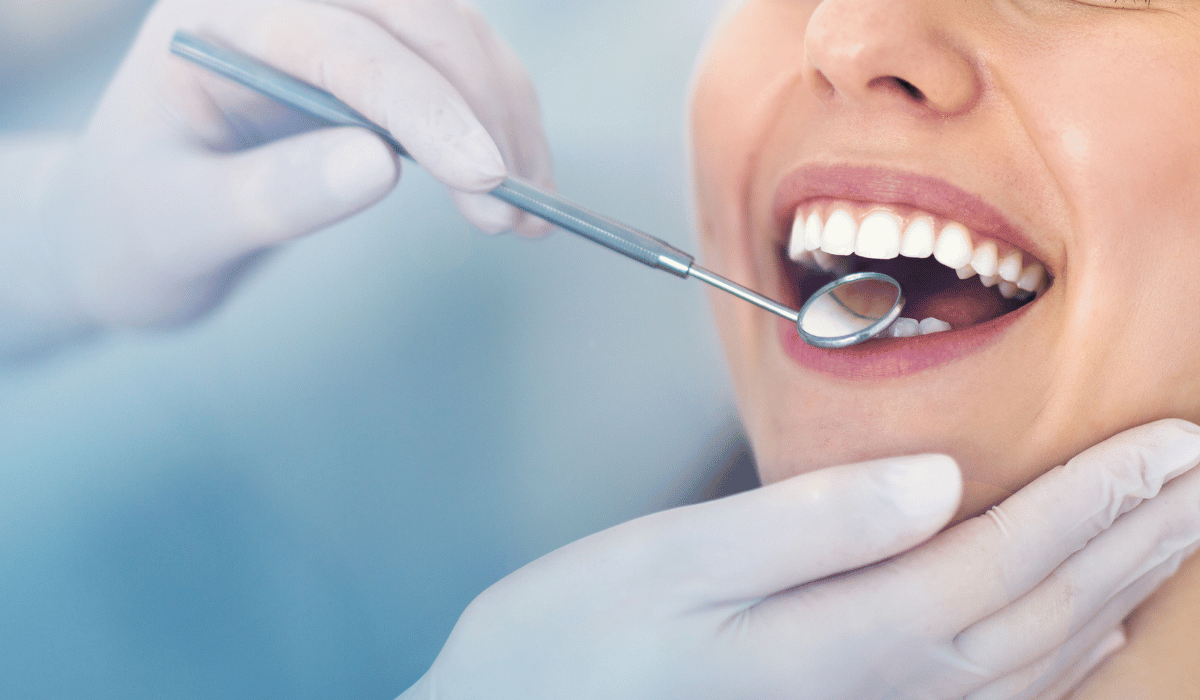
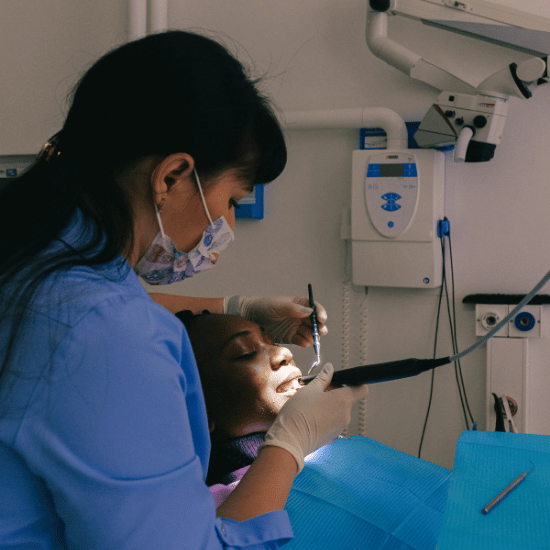
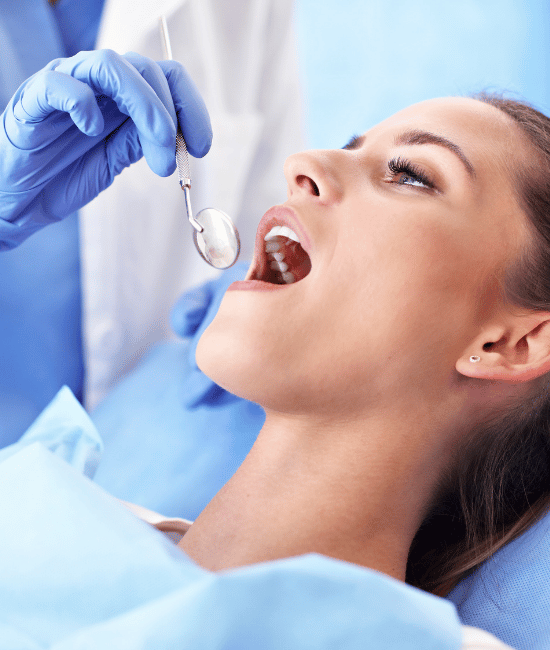
Oral exams allow dentists to evaluate teeth, gums, jaw joints, and oral tissues. Regular oral exams help identify tooth decay, gum disease, oral cancer, and other oral health concerns in early stages.

Regular check-ups establish a baseline that allows dentists to track changes over time. Patients considered high risk benefit from closer monitorin,g which helps manage dental issues more effectively. Dental visits centered on prevention are typically less invasive and more predictable than emergency care.

Professional Cleanings and Teeth Cleanings

Professional cleanings remove plaque buildup and food particles that daily brushing cannot reach. Teeth cleanings help reduce gum disease, bad breath, and enamel wear.

Regular cleanings support healthy gums and teeth while lowering the likelihood of future dental problems. Some patients require more frequent preventive services based on individual risk factors such as periodontal disease or medical history.

Diagnostic Imaging and Early Detection

Modern diagnostic imaging plays an important role in maintaining oral health. Imaging helps identify hidden tooth decay, bone loss, and other dental problems beneath the surface.

Early detection protects tooth enamel, preserves natural teeth, and reduces the need for complex dental care later.

Gum Disease and Periodontal Disease Prevention

advanced gum disease

Gum disease often begins with mild inflammation and can progress into periodontal disease without noticeable discomfort. Bleeding gums, persistent bad breath, and gum problems are common early warning signs.

Ongoing dental care combined with good daily oral hygiene habits helps reduce the risk of gum disease, periodontal disease, and related dental problems.

Recognizing Gum Disease

Symptoms may include redness, swelling, tenderness, and plaque buildup along the gumline. Untreated gum disease can lead to bone loss, tooth mobility, and tooth loss, potentially requiring root canals or dental bonding, for example.

Periodontal Maintenance and Monitoring

Dental care plans often include professional cleanings, education, and ongoing monitoring to help reduce oral health issues associated with gum disease. Periodontal maintenance helps control bacteria and supports long-term dental health.

Preventing Common Dental Problems

Proactive oral care focuses on identifying and managing dental issues early, before they progress into pain, infection, or complex treatment. Many common dental problems develop gradually and may not cause noticeable symptoms until significant damage has occurred. Routine monitoring and early intervention help preserve natural teeth and reduce the need for advanced procedures.

Tooth Decay and Enamel Wear

Tooth decay develops when bacteria in the mouth feed on sugars and carbohydrates left behind from food particles. These bacteria produce acids that gradually weaken tooth enamel, creating cavities over time. Enamel wear can also occur due to teeth grinding, aggressive brushing, frequent exposure to acidic foods, or untreated bite issues such as TMJ disorders.

Fluoride toothpaste, professional fluoride treatments, and topical fluoride applications help strengthen enamel and slow the progression of early decay. Dental sealants provide an added layer of protection on chewing surfaces where cavities commonly form, particularly in children and patients with deeper grooves in their teeth.

Patients who experience enamel wear from grinding or jaw tension may also benefit from TMJ treatments designed to reduce stress on the teeth and jaw joints. Addressing these underlying factors helps prevent further damage and supports long-term dental health.

Oral Health Issues Linked to Diet

Diet plays a significant role in oral health. Sugary foods, sugary snacks, and acidic foods increase the risk of tooth decay by fueling acid-producing bacteria and weakening enamel. Frequent snacking throughout the day can also prolong acid exposure, increasing cavity risk. Although professional teeth whitening services can help reduce the appearance of stains, it is important to address the root cause and prevent it from recurring.

Eating a balanced diet supports saliva production, which helps neutralize acids and wash away food particles. Drinking plenty of water further reduces plaque buildup and supports overall oral health care. Access to fresh fruits and vegetables throughout the San Diego and Oceanside area makes it easier to maintain a healthy diet that benefits both oral health and overall wellness.

For patients who feel anxious about dental visits, options such as sedation dentistry can make preventive care more comfortable and accessible. Regular care remains the most effective way to reduce the need for restorative treatments like fillings, crowns, or teeth whitening due to enamel damage or decay.

Preventive Dentistry for Children and Families
oceanside dentist

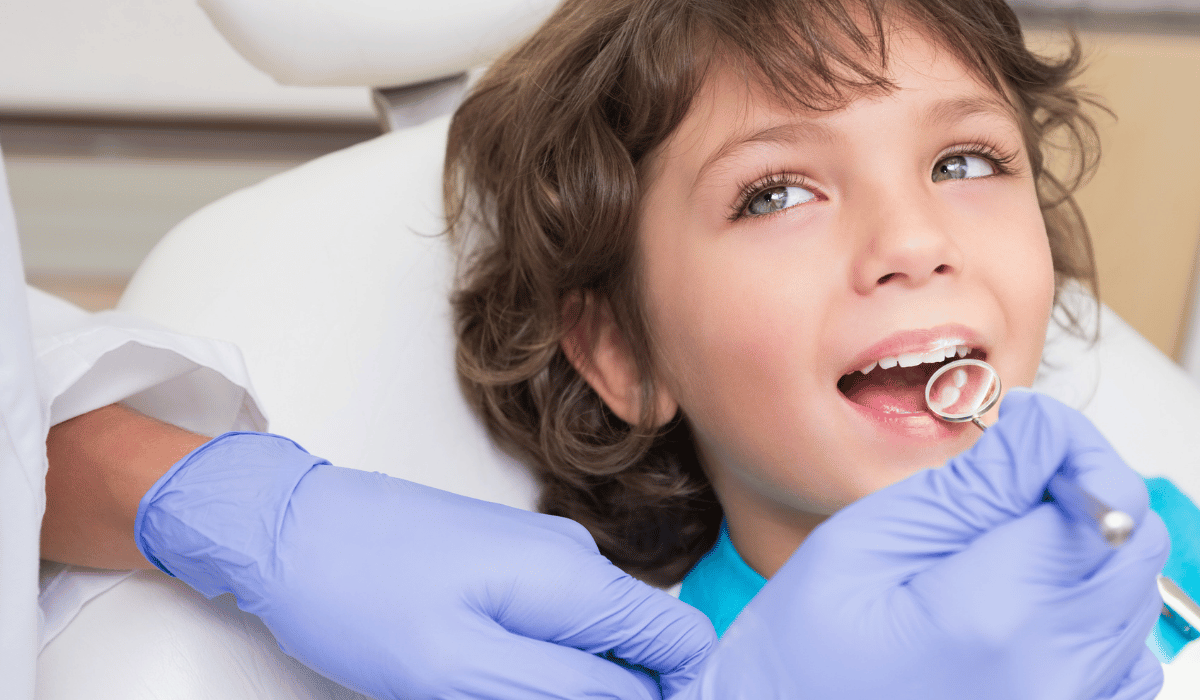
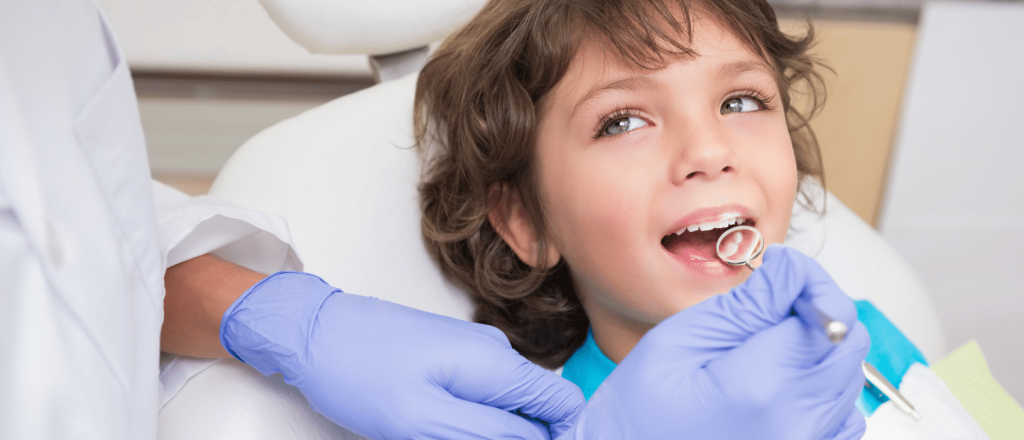
Early dental care plays an important role in pediatric dentistry and the development of lifelong oral hygiene habits. Children’s teeth benefit from early attention that supports proper development and reduces future dental issues.

Early Age Dental Care

Dental visits at an early age allow dentists to monitor children’s tooth development and identify oral health concerns early. Education helps parents support good oral hygiene habits at home.

Sealants and Fluoride for Children

Dental sealants protect the chewing surfaces of children’s teeth where decay commonly begins. Fluoride treatments strengthen enamel during cavity-prone years.

Early care supports healthy teeth into adulthood.

Daily Oral Hygiene and At-Home Care

Strong oral health relies on consistent daily routines.

Brushing and Flossing Daily

Daily brushing with a soft-bristle brush removes plaque from tooth surfaces. Flossing daily removes food particles between teeth where brushing cannot reach.

Brush your teeth twice each day, and flossing helps lower the risk of gum disease and bad breath.

Building a Sustainable Routine

A daily routine that includes proper dental care, balanced meals, and regular visits supports long-term dental health. At-home care complements professional services provided in the office.

Why Early Dental Care Saves Time and Money

Preventive Dentistry

Consistent dental care reduces the likelihood of emergency visits and advanced dental treatment. Patients who see a dentist regularly often avoid root canals, crowns, and extensive dental care.

Preventive services support stable dental plans, predictable costs, and better protection of overall health.

Preventive Dentistry in Oceanside, California

Despite strong evidence that regular professional care reduces the risk of dental problems, only about 45 % of Americans visited a dentist in the past year according to the American Dental Association Health Policy Institute.

Dental care should reflect local lifestyles and risk factors. Coastal living, active outdoor routines, and dietary patterns influence oral health concerns. Sun exposure also makes oral cancer screenings an important part of routine oral exams for many patients.

Care at Streelman DDS emphasizes conservative care, education, and consistent monitoring. Our Oceanside dentist focuses on early detection and long-term oral health care for Oceanside patients and families.

Frequently Asked Questions About Preventive Dentistry

What is preventive dentistry

Preventive dentistry refers to local dental care focused on preventing dental problems through routine visits, professional cleanings, education, and daily oral hygiene.

How often should I schedule dental visits

Most patients benefit from dental visits every six months. High-risk individuals may require more frequent visits based on oral health needs.

Does preventive care prevent cavities

Ongoing dental care helps prevent cavities by removing plaque buildup, strengthening enamel, and identifying tooth decay early.

Is preventive dentistry important for overall health

Maintaining oral health supports overall health by reducing oral diseases inflammation and health risks associated with poor oral health.

What happens during a preventive dental visit

A visit typically includes oral exams professional cleanings evaluation of teeth and gums diagnostic screening and personalized recommendations.

Scheduling Preventive Dental Care

Dental care works best when started early and maintained consistently. Regular visits education and daily habits protect teeth and gums over time.

Patients interested in proactive dental care can contact the office to schedule a visit and create a dental plan focused on long-term oral health.


Dental Crowns

How Dental Crowns Restore Strength and Confidence After Tooth Damage

Tooth damage can affect more than your smile. Cracked teeth, significant decay, or a weakened tooth can reduce chewing efficiency, compromise bite alignment, and impact overall dental health. Modern dentistry offers solutions that combine function, aesthetics, and protection. Dental crowns restore strength and confidence, providing a long-lasting solution for damaged or weakened teeth while preserving natural tooth structure.

For comprehensive options, patients can explore Dental Crown Services to determine the best solution for their specific dental needs.

What Are Dental Crowns and How They Work

A dental crown is a custom crown designed to cover the entire visible portion of a damaged tooth. Unlike fillings, which repair a portion of the tooth, crowns act as a protective barrier, strengthening the entire tooth and restoring its function. Crowns are typically recommended for teeth that have undergone root canal treatment, sustained a cracked tooth, or experienced extensive decay.

Types of Modern Crowns

Dental crowns can be made from various materials, each offering specific benefits:

  • Porcelain crowns provide a natural appearance, ideal for front teeth restoration and visible areas
  • All ceramic crowns offer both durability and aesthetic appeal without metal components
  • Metal crowns are highly durable and suitable for molars and teeth that endure heavy chewing forces
  • Porcelain-fused-to-metal crowns combine strength and natural appearance
  • Resin crowns are less expensive and can serve as temporary solutions while a permanent crown is being fabricated

Choosing the right crown depends on the tooth’s location, aesthetic preferences, and functional requirements

How Dental Crowns Restore Strength and Protect Teeth

Damaged or weakened teeth are prone to further damage and decay. Crowns restore strength by encasing the tooth and evenly distributing chewing forces. This protective shield maintains the integrity of the natural tooth structure and prevents further decay in surrounding teeth.

Dental crowns restore strength in several ways:

  • Support Weakened Teeth: A crown stabilizes teeth with significant decay or after root canal therapy
  • Restore Function: Patients can chew and speak normally after treatment
  • Protect Adjacent Teeth: Crowns prevent neighboring teeth from shifting due to compromised bite alignment
  • Preserve Natural Teeth: Crowns maintain optimal oral health by saving teeth that might otherwise require extraction

Modern crowns made with high-quality materials are long-lasting and contribute to long-term oral health when combined with good oral hygiene practices

The Dental Crown Procedure

The dental crown process is straightforward but involves several precise steps:

  1. Evaluation and Tooth Preparation: The dentist examines the tooth, sometimes with X-rays, to determine the extent of damage. The prepared tooth is shaped to allow proper seating of the crown
  2. Impression or Digital Scan: Captures the tooth’s dimensions for a custom crown that fits perfectly
  3. Temporary Crown Placement: A temporary crown protects the tooth while the permanent crown is fabricated
  4. Permanent Crown Placement: The permanent crown is permanently cemented to restore function, protect the tooth, and enhance aesthetics

A dental crown typically involves two visits, though some practices offer same-day crowns using advanced technology

Benefits Beyond Tooth Strength

Dental crowns provide both functional and cosmetic benefits, enhancing overall well-being. They restore aesthetic appeal, contributing to a beautiful smile, enhanced confidence, and improved self-esteem. Crowns can correct discoloration, misshapen teeth, or gaps, resulting in a natural appearance that complements surrounding teeth

  • Protective Barrier: Crowns prevent further damage and decay
  • Restore Function: Patients regain normal chewing forces and bite alignment
  • Aesthetically Pleasing: Crowns improve the front teeth’s appearance while maintaining a natural look
  • Long-lasting Solution: Crowns can last many years with proper care

For patients seeking additional cosmetic comfort, Smile Makeover Solutions at Streelman DDS provides options that combine aesthetics and minimal discomfort.

Crowns provide a vital role in modern dentistry, offering a balance between teeth restoration and cosmetic improvement

Caring for Your Dental Crown

Maintaining crowns ensures durability and reduces future complications. Proper care includes:

  • Good oral hygiene practices, including brushing twice daily and flossing around the crown
  • Using antibacterial mouthwash to maintain dental health
  • Avoiding excessive force on crowns through hard foods or grinding
  • Routine dental visits for maintaining optimal oral health

With these habits, modern crowns and all-ceramic crowns can last 10 to 15 years or longer

Signs You May Need a Crown

Dental crowns are typically recommended when teeth show signs of severe damage. Patients should consult a dentist if they notice:

  • Persistent tooth pain or sensitivity
  • Cracked tooth or visible damage
  • Large or failing fillings
  • Teeth that have undergone root canal treatment
  • Concerns about aesthetic preferences or a radiant smile

Early intervention ensures a long-lasting solution and protects surrounding teeth

Additional Restorative Options

Crowns are often used in combination with other dental procedures for optimal oral health. Options include:

  • Dental bridges to replace missing teeth
  • Dental implants to support long-term function and aesthetics
  • Integration with modern crowns for front teeth restoration or teeth restoration after root canals

These solutions work together to maintain long-term oral health and enhance overall well-being

Related Reading

To learn more about painless, cosmetic dental options, see our blog Improving Your Smile Comfortably: Pain-Free Cosmetic Options in Oceanside 

Conclusion

Dental crowns restore strength, function, and confidence after tooth damage. By protecting damaged teeth, maintaining natural tooth structure, and enhancing aesthetic appeal, crowns provide a long-lasting solution for individuals seeking restorative dentistry. With proper care and good oral hygiene practices, crowns support optimal oral health, prevent future complications, and help patients maintain a beautiful smile for years to come.

Consult your dentist to discuss the best crown options for your needs and schedule a personalized treatment plan

Make an Appointment to restore your teeth and regain confidence in your smile today.

Sedation Dentistry

Benefits of Sedation Dentistry for Complex Dental Treatments

Complex dental treatments can be overwhelming for many patients, especially those with severe dental anxiety or significant dental phobias. Sedation Dentistry Services offers a safe and effective solution to ensure patient comfort, reduce fear, and make intricate procedures more manageable. From extensive dental work to mouth reconstruction, sedation techniques allow both the patient and dental professionals to focus on delivering optimal oral health outcomes without unnecessary stress.

Understanding Sedation Dentistry

Sedation dentistry involves prescribed medication to help patients relax during dental procedures. The approach can range from mild oral medications to deeper sedation, intravenous sedation, or even general anesthesia, depending on the complexity of the procedure. Oral conscious sedation, IV sedation, and nitrous oxide laughing gas are commonly used methods to alleviate anxiety and ensure minimal discomfort.

Types of Sedation for Dental Treatments

Oral Sedation is administered in pill form and works effectively for patients experiencing mild anxiety or nervousness during dental visits

IV Sedation allows dental professionals to adjust sedation levels precisely, helping patients remain calm during complex dental procedures

Nitrous Oxide, or laughing gas, is ideal for mild to moderate anxiety, offering fast-acting relaxation while allowing patients to remain conscious

General Anesthesia is reserved for extensive dental work, invasive procedures, or patients with severe dental anxiety who require deeper sedation

How Sedation Dentistry Supports Complex Dental Procedures

Extensive dental procedures, such as dental implants, root canals, and extensive restorative work, often involve multiple steps and longer appointment times. Sedation dentistry ensures patient comfort while enabling the dental team to perform intricate procedures safely and efficiently.

Reduces Anxiety and Fear

Dental phobia prevents many patients from seeking necessary treatments. Sedation dentistry minimizes discomfort, alleviates anxiety, and helps patients relax, turning potentially stressful experiences into manageable dental appointments

Enhances Comfort During Extensive Dental Work

Patients with sensitive teeth or significant dental phobias benefit from sedation options designed to reduce pain perception and discomfort during surgical procedures or complex dental work

Allows Multiple Procedures in One Appointment

Sedation dentistry offers the opportunity to complete multiple procedures in a single visit. This is particularly valuable for complex treatments such as mouth reconstruction or extensive restorative work, reducing repeated visits and overall stress for the patient

Supports Optimal Oral Health

Patients who remain calm and relaxed during dental procedures are more likely to follow through with necessary treatments, ensuring long-term oral health and better recovery after procedures

Sedation Options for Different Needs

Oral Medications

Mild forms of sedation, often oral medications, help patients relax before procedures. This approach is ideal for mild anxiety and less invasive procedures

Nitrous Oxide Laughing Gas

Fast-acting and effective, laughing gas provides relaxation while allowing the patient to remain conscious and responsive during dental treatments

Intravenous Sedation

IV sedation is highly effective for more extensive dental procedures, allowing deeper sedation and enhanced patient comfort for complex treatments

General Anesthesia

Used for the most intricate procedures or patients with severe dental anxiety, general anesthesia ensures the patient remains fully unconscious, offering a stress-free environment for both the patient and dental team

Benefits of Sedation Dentistry for Patients

  • Reduced Anxiety and Fear: Sedation minimizes discomfort and anxiety, allowing many patients to feel at ease during potentially stressful experiences
  • Minimal Discomfort: Pain management is enhanced during complex dental work, root canals, or surgical procedures
  • Enhanced Patient Comfort: Both the patient and dental professionals benefit from a calm, stress-free environment
  • Completion of Complex Treatments: Sedation dentistry allows multiple procedures to be performed efficiently in one visit
  • Improved Dental Experience: Patients are more likely to maintain routine dental visits, supporting long-term oral health

Who Can Benefit Most from Sedation Dentistry

Sedation dentistry offers relief for many patients, particularly:

  • Those with severe dental anxiety or mild anxiety
  • Patients undergoing extensive restorative work or complex dental procedures
  • Individuals with sensitive teeth or strong gag reflexes
  • Patients requiring multiple procedures in a single appointment
  • People with significant dental phobias or those who have experienced traumatic dental visits

Preparing for a Sedation Dentistry Appointment

  • Discuss sedation options with your dentist to determine the best approach for your procedure
  • Follow pre-procedure instructions regarding food, drink, and prescribed medications
  • Arrange transportation if deeper sedation or general anesthesia will be used
  • Share medical history and any concerns to ensure a safe and effective solution

Enhancing Outcomes with Sedation Dentistry

Sedation dentistry ensures the most significant benefit for both the patient and dental professionals. By minimizing anxiety and discomfort, patients are more relaxed, dental treatments are completed more efficiently, and outcomes are optimized. Complex procedures such as dental implants, mouth reconstruction, and extensive restorative work are safer and more comfortable under sedation

For patients recovering from tooth decay, gum disease, or extensive restorative work, sedation dentistry allows procedures like root canals or dental crowns to be completed comfortably.

Learn more about How Dental Crowns Restore Strength and Confidence After Tooth Damage.

Conclusion

Sedation dentistry transforms dental visits into stress-free experiences, making complex dental procedures accessible for patients who might otherwise avoid necessary treatments. By offering oral sedation, IV sedation, nitrous oxide, or general anesthesia, dental professionals can deliver optimal oral health outcomes while patients relax and remain comfortable throughout their procedures. The benefits of sedation dentistry extend beyond the appointment, supporting improved dental experiences, enhanced patient comfort, and long-term oral health

Trust your care to Streelman DDS, where patient comfort and optimal oral health are the top priorities

new dental patient getting teeth examined in Oceanside, CA

How to Prevent Cavities and Protect Your Smile Long Term

Prevent cavities before they start. Cavities remain one of the most common dental problems affecting both children and adults. The encouraging reality is that most cavities are preventable with consistent habits, proper oral hygiene, and routine dental care. Whether you are focused on protecting your child’s teeth or maintaining your own dental health, understanding how cavities form and how to stop them early makes a measurable difference.

Dental decay often develops without pain or visible warning signs. By the time discomfort appears, damage may already be significant. Preventive care focuses on stopping decay before it reaches that stage.

What Causes Cavities

Cavities form when bacteria naturally present in the mouth feed on sugars and carbohydrates left behind from food and drinks. As these bacteria break down sugars, they produce acids that gradually weaken tooth enamel. Over time, repeated acid exposure creates small openings in the enamel that grow larger if untreated.

Saliva helps neutralize acids and wash away food particles, which is why dry mouth, frequent snacking, and sugary beverages increase cavity risk. Consistent home care paired with regular dental visits helps interrupt this process early.

Brush Twice Daily With the Right Technique

stages of tooth decay

Brushing twice a day plays a critical role in cavity prevention, but technique matters as much as frequency. Brushing for a full two minutes using gentle pressure removes plaque before it hardens into tartar.

Aggressive brushing can actually damage enamel and irritate gums, increasing sensitivity and risk of recession.

Best practices include

  • Using fluoride toothpaste to strengthen enamel

  • Choosing a soft bristled toothbrush

  • Angling the brush slightly toward the gumline

  • Replacing toothbrushes every three months or sooner if bristles fray

Electric toothbrushes may also help patients maintain consistent technique.

Floss Every Day Because It Reaches What Brushing Misses

Flossing removes plaque and food particles from between teeth where toothbrush bristles cannot reach. These tight spaces are among the most common areas for cavities and gum inflammation to develop.

Skipping flossing allows bacteria to remain undisturbed, increasing the risk of decay and periodontal issues even in patients who brush well.

Limit Frequent Snacking and Sugary Drinks

Sedation Dentistry

Cavity risk is influenced not only by what you eat, but how often you eat. Frequent snacking keeps acids active in the mouth for longer periods, increasing enamel breakdown.

Sugary snacks, sticky foods, sports drinks, energy drinks, and soda are particularly harmful because sugars linger on tooth surfaces. Rinsing with water after consuming these items can help reduce acid exposure when brushing is not possible.

Drink Plenty of Water Throughout the Day

Water supports oral health by rinsing away food particles and helping maintain a healthier mouth environment. Drinking water also supports saliva flow, which plays a key role in neutralizing acids.

Oceanside residents who rely primarily on bottled water should check whether it contains fluoride. Not all bottled waters provide fluoride, which is important for strengthening enamel and preventing early decay.

Use Fluoride to Strengthen and Protect Enamel

Fluoride helps remineralize enamel and can slow or even reverse early stages of tooth decay. Many patients benefit from a combination of at home and professional fluoride applications.

Common fluoride options include

  • Fluoride toothpaste

  • Prescription strength fluoride gels or rinses

  • Topical fluoride treatments applied during dental visits

Fluoride remains one of the most effective tools for cavity prevention across all age groups.

Consider Dental Sealants for Added Protection

Dental sealants are thin protective coatings applied to the chewing surfaces of molars. These surfaces contain deep grooves where bacteria easily collect and brushing may not fully reach.

Sealants are commonly recommended for children but are also beneficial for adults who are prone to cavities. They provide long lasting protection and significantly reduce decay risk on vulnerable surfaces.

Keep Up With Regular Dental Visits

Routine dental visits allow problems to be detected early, often before symptoms appear. Professional cleanings remove hardened plaque that brushing and flossing cannot eliminate.

Exams and digital X rays help identify cavities between teeth, beneath restorations, and below the gumline. Early detection typically means simpler treatment and better preservation of natural tooth structure.

For patients who feel anxious or avoid care due to fear, options such as sedation dentistry can make dental visits more comfortable and approachable. Reducing anxiety helps patients stay consistent with preventive care.

Protect Your Teeth From Grinding and Jaw Stress

Clenching or grinding the teeth, often associated with stress or TMJ disorders, can wear down enamel and make teeth more vulnerable to decay. Flattened or cracked enamel allows bacteria to penetrate more easily.

Custom night guards and TMJ treatments help protect teeth from excessive forces during sleep and daily activities, reducing long term damage and discomfort.

Take Charge of Your Cavity Prevention Plan

Daily habits combined with consistent dental care form the foundation of long term cavity prevention. Patients with a history of decay, enamel sensitivity, or dry mouth may benefit from a personalized prevention plan tailored to their needs.

Care at Streelman DDS focuses on conservative treatment, prevention, and patient education. From routine exams to fluoride treatments, dental sealants, TMJ care, sedation dentistry, and cosmetic options like teeth whitening, preventive strategies help protect your smile over time.

Patients ready to strengthen their cavity prevention plan can call the Oceanside office at (760) 439 0600 or request an appointment online.

tmj affecting persons mouth and jaw

What Causes Tooth Sensitivity

Tooth sensitivity is a common issue for adults in Oceanside, especially when drinking something cold, eating sweets or brushing near the gumline. While occasional sensitivity is normal, frequent discomfort can signal changes in your enamel, gums or bite that should be evaluated by a dentist. This guide explains the most common causes of tooth sensitivity and what you can do to relieve it.

Why Tooth Sensitivity Happens

Tooth sensitivity occurs when the protective layers of your teeth become thinner or exposed, allowing temperature changes to reach the inner nerves. Several everyday factors can trigger this, including:

1. Enamel Wear

Over time, enamel can weaken from acidic foods, grinding, or aggressive brushing. When enamel thins, sensitivity increases.

2. Gum Recession

Receding gums expose the root surface of the tooth, which is naturally more sensitive. This is common in adults with gum irritation or past periodontal issues.

3. Tooth Decay or Cracks

Small cavities, fractures or worn fillings can expose deeper layers of the tooth, making it more reactive to temperature.

4. Whitening Treatments (Professional or At-Home)

Temporary sensitivity is normal during whitening, especially if products are overused or applied incorrectly.

5. Clenching or Grinding (Bruxism)

Excess pressure can wear enamel and cause microscopic cracks that lead to sensitivity.

When Sensitivity Needs a Dentist’s Attention

If the discomfort lasts more than a few days or keeps coming back, it may be a sign of:

  • Early decay

  • Worn restorations

  • Gum disease

  • Root exposure

  • TMJ-related grinding

A professional evaluation helps identify the root cause and prevent the issue from getting worse.

How Dentists Treat Tooth Sensitivity

Treatment depends on what’s causing the pain. At Dr. Streelman’s Oceanside office, common solutions include:

Fluoride Treatments

Strengthens weakened enamel and reduces long-term sensitivity.

Desensitizing Gels or Toothpaste

Blocks nerve signals and provides daily relief.

Dental Bonding

Covers exposed root surfaces or micro-worn enamel.

Replacing Old Fillings

Stops sensitivity caused by leaky or aging restorations.

Night Guards for Grinding

Protect teeth from pressure and prevent enamel damage for patients with TMJ or bruxism.

Periodontal Therapy

If gum recession or inflammation is the cause, targeted treatment can help protect roots and reduce discomfort.

At-Home Tips to Reduce Sensitivity

While professional treatment is important, you can help manage symptoms with:

  • Soft-bristled toothbrush

  • Low-abrasion toothpaste

  • Warm (not cold) water when brushing

  • Limiting acidic foods and drinks

  • Avoiding overuse of whitening products

  • Gentle brushing technique

Consistency makes a big difference.

Schedule a Sensitivity Evaluation in Oceanside

If tooth sensitivity is affecting your daily comfort, we’re here to help. Call our Oceanside dental office at (760) 439-0600 or request an appointment online. A quick exam can identify the cause and help you get lasting relief.

oceanside dentist

How Often Should You Visit the Dentist? Oceanside Patient Guide

Regular dental visits are one of the simplest ways to protect your oral health — but many patients still wonder how often they truly need to come in. The answer can vary from person to person, but most people benefit from a professional cleaning and exam every six months. This guide breaks down why routine visits matter, what happens during an appointment, and when you may need to come in more often.

Why Most Oceanside Patients Need a Visit Every Six Months

Twice-a-year visits allow your dentist to monitor your oral health, remove buildup you can’t reach at home, and stop small problems before they turn into costly treatment needs. Even patients with excellent brushing and flossing habits can develop early decay, gum irritation, or enamel wear that only a dentist can detect.

Benefits of regular six-month checkups:

  • Removes plaque and tartar that daily brushing leaves behind

  • Helps prevent gum disease and bone loss

  • Identifies early signs of cavities

  • Monitors changes in your bite, enamel, and restorations

  • Keeps your smile healthier and brighter year-round

Routine care is the foundation of long-term oral health, especially for families in Oceanside who juggle busy schedules.

When You Should Come in More Frequently

Some patients need visits every three to four months, depending on their oral health needs. You may benefit from more frequent cleanings if you have:

  • A history of gum disease

  • Diabetes or autoimmune conditions

  • Heavy plaque buildup

  • Multiple crowns or restorations

  • TMJ issues, clenching or grinding

  • Dry mouth due to medications

Your dentist will recommend the schedule that best protects your teeth and gums.

What to Expect During a Routine Dental Visit

A standard checkup at Dr. Streelman’s Oceanside office includes:

1. Digital X-rays (as needed)

Used to detect issues below the surface, such as hidden decay or bone loss.

2. Professional Cleaning

Our hygienists remove plaque, tartar, and surface stains that brushing can’t eliminate.

3. Full Dental Exam

Dr. Streelman evaluates your teeth, gums, bite, TMJ, and existing restorations to ensure everything is healthy and stable.

4. Personalized Recommendations

You’ll receive guidance tailored to your smile — whether that means improving home care, addressing sensitivity or monitoring early changes.

Why Routine Visits Save You Money

Skipping dental appointments often allows small issues to progress into bigger, more expensive problems. Regular cleanings and exams help prevent:

  • Root canals

  • Deep cleanings

  • Crown replacements

  • Gum disease progression

  • Emergency dental visits

Prevention is always more affordable than treatment.

How to Make Dental Visits Easier

  • Schedule your appointments in advance

  • Book family visits back-to-back for convenience

  • Ask about sedation options if you experience dental anxiety

  • Use your PPO insurance benefits before they expire each year

Our staff makes visits simple, comfortable, and stress-free.

Schedule Your Next Dental Checkup in Oceanside

If it’s been longer than six months since your last visit, we’re here to help. Contact our Oceanside dental office at (760) 439-0600 or request an appointment online. Keeping your smile healthy starts with consistent care — and we’re here to make that easy.

Hi, How Can We Help You?